

Calcium for Chickens: Strong Eggshells and Smarter Poultry Nutrition
Calcium for chickens is one of the most important factors in eggshell quality, hen health, and overall poultry performance. When you crack open an egg, you may not think about the engineering behind that shell, but in poultry production, shell strength starts with the right calcium source, the right particle size, and the right nutrition program.
At GLC Minerals, we know great eggs begin long before they reach the carton. They begin inside the hen through precise nutrition, high-quality calcium, and a better understanding of how eggshells are formed. This blog explores how calcium for chickens supports eggshell strength, skeletal health, and better flock performance.
Why Calcium for Chickens Matters in Poultry Nutrition
When people think about calcium for chickens, they usually think about eggshells first. That makes sense, but calcium does much more than build shells. It helps support the systems that keep laying hens productive and healthy.
1. Eggshell Formation
This is the biggest job calcium does in a laying hen.
During the final stage of egg development, the shell gland deposits calcium onto the egg. Most of this shell-building process happens overnight. If dietary calcium is not available when the hen needs it, she begins pulling calcium from her bones.
That is why the right calcium for chickens is not only about how much calcium is in the feed. It is also about how long calcium stays available during the dark hours when shell formation is at its peak.
2. Bone Strength and Skeletal Health
A laying hen has to balance two demands every day: building a strong eggshell and maintaining a strong skeleton.
Without enough calcium, hens may experience:
- Bone loss
- Fragility and fractures
- Reduced mobility
- Cage layer fatigue
Bone health is not a side issue. It directly affects laying persistence, flock welfare, and long-term production.
3. How Calcium Powers Muscle and Nerve Function
Calcium also supports normal muscle contraction, nerve signaling, and metabolic function.
So while calcium for chickens is critical for eggshell quality, it also helps hens move, eat, and function normally.
How Calcium Works in the Laying Cycle
Laying hens follow a very predictable calcium cycle.
- During the day, hens consume feed and absorb calcium
- Unused calcium can be stored in medullary bone
- During the night, hens draw on dietary calcium and stored calcium to build the shell
This rhythm is why timing matters so much. Most shell calcification happens when hens are not actively eating, which means calcium availability must extend beyond feeding time.
Why Particle Size Matters for Calcium for Chickens
Not all calcium sources behave the same way inside the bird.
Fine calcium particles dissolve more quickly and are useful for immediate calcium needs. Coarser particles dissolve more slowly and can continue releasing calcium during the night, when hens need it most for shell formation.
That means producers are not just choosing a calcium ingredient. They are choosing how and when hens receive calcium.
High-quality calcium for chickens should offer:
- Consistent particle size distribution
- High-purity limestone
- Reliable bioavailability
- Predictable performance in feed programs
Where GLC Minerals PoultryCal Fits In
The right calcium strategy is about more than total analysis. Source quality and particle size both matter.
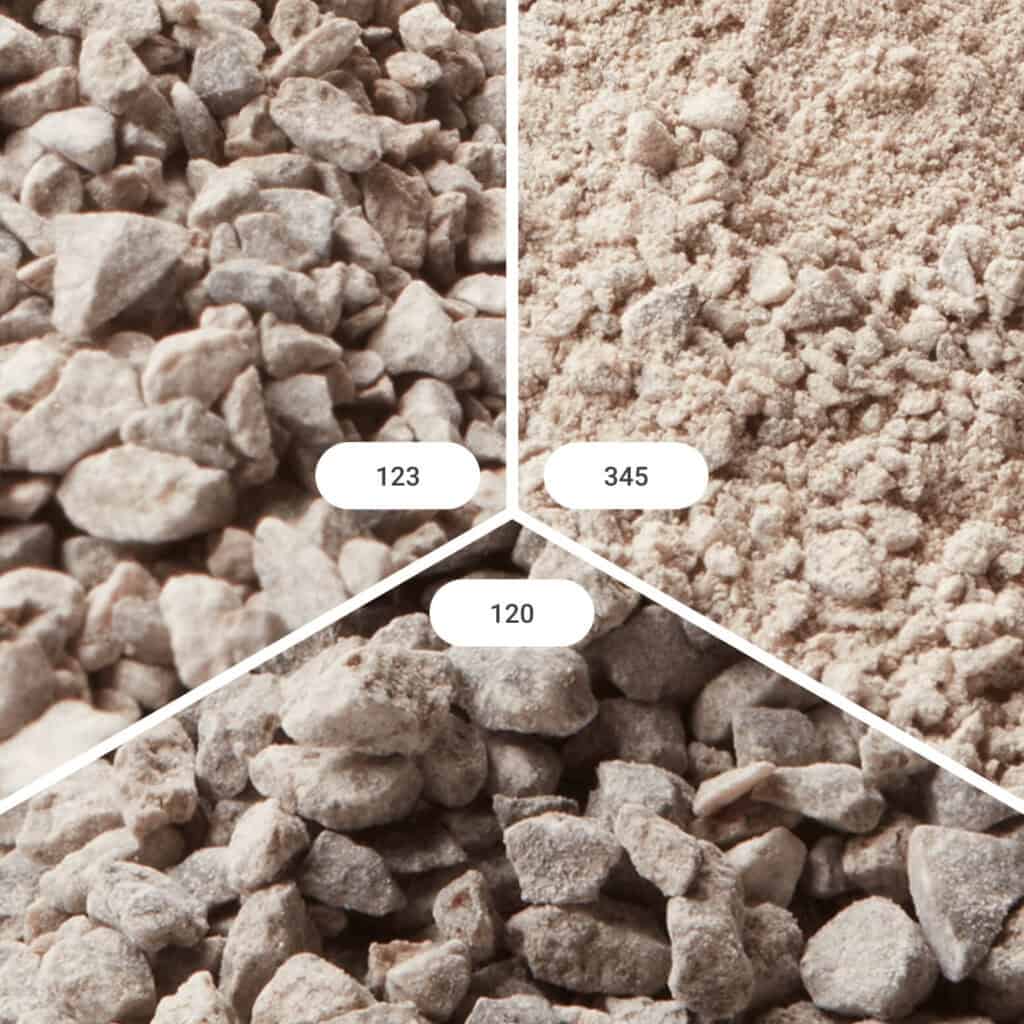
At GLC Minerals, the PoultryCal Series is designed to support nutrient timing, consistent egg quality, and hen health. The products share the same guaranteed calcium analysis but differ in particle size distribution.
PoultryCal 120
Coarsest
Ideal for sustained calcium release and supporting overnight shell formation.
What Happens When Calcium Is Out of Balance?
Even small imbalances can have big consequences:
- Thin or soft shells
- Misshapen eggs
- More cracks & breakage
- Lower egg production
- Weak or fragile hens
And by the time you see a shell problem… the deficiency has already been happening inside the hen for days or weeks.
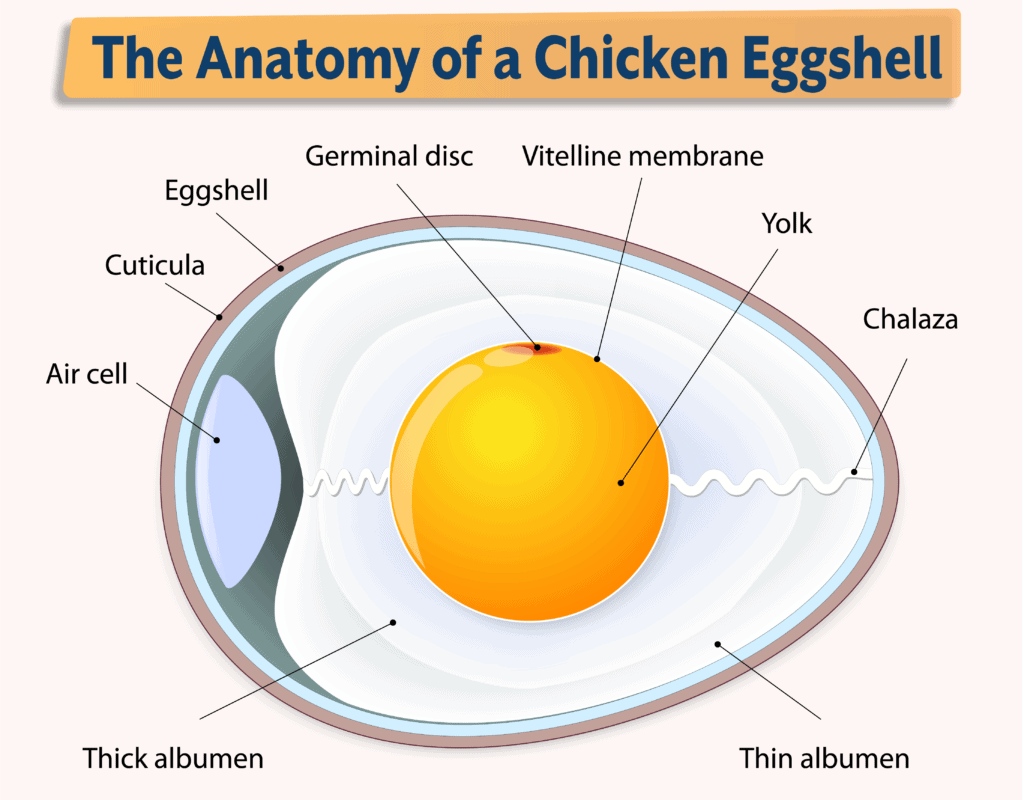
A Quick Scientific Breakdown of Eggshell Formation
Understanding a few basics helps explain why calcium for chickens is so important.
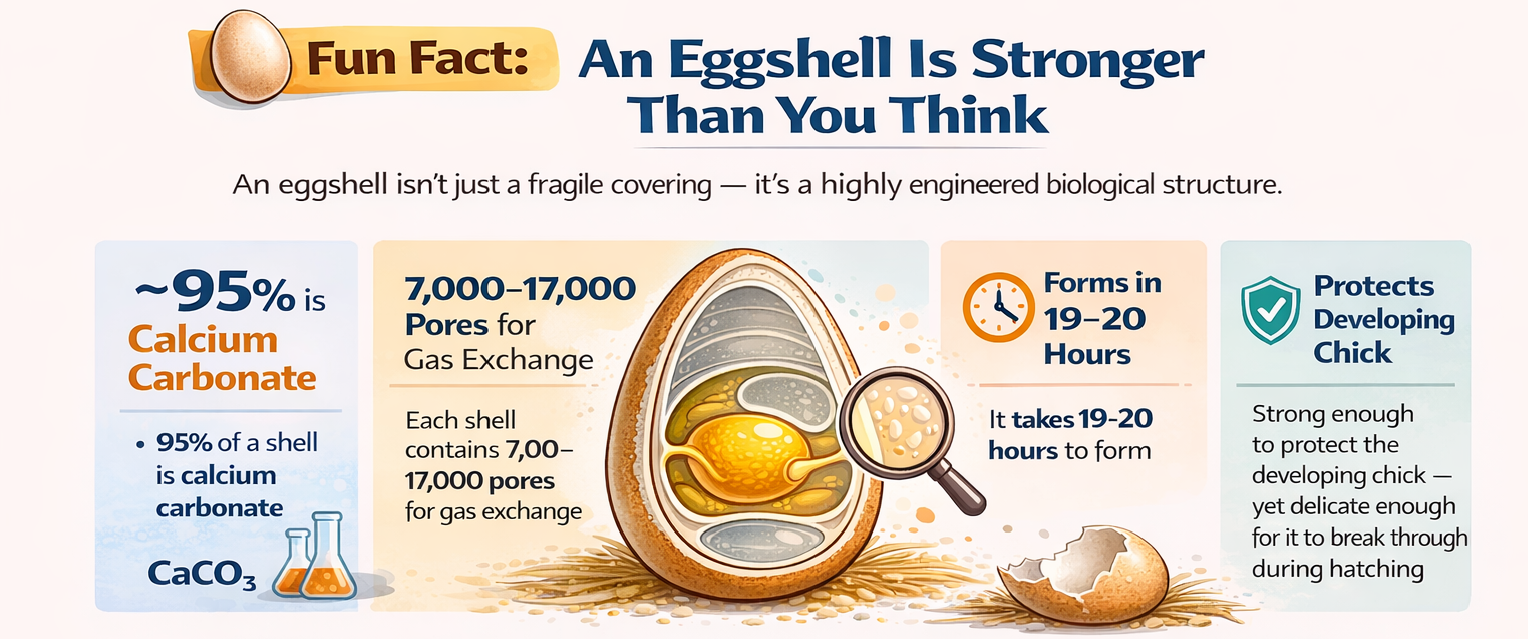
- Shell formation takes about 19 to 20 hours
- Each egg uses about 2 to 2.5 grams of calcium
- Commercial layers often need 4 to 5 grams of calcium per day
- Most shell building happens at night, when hens are not eating
- Hens rely on medullary bone as a calcium reserve
Bottom line: the right calcium type, the right timing, and the right particle size all matter if producers want strong, consistent shells.
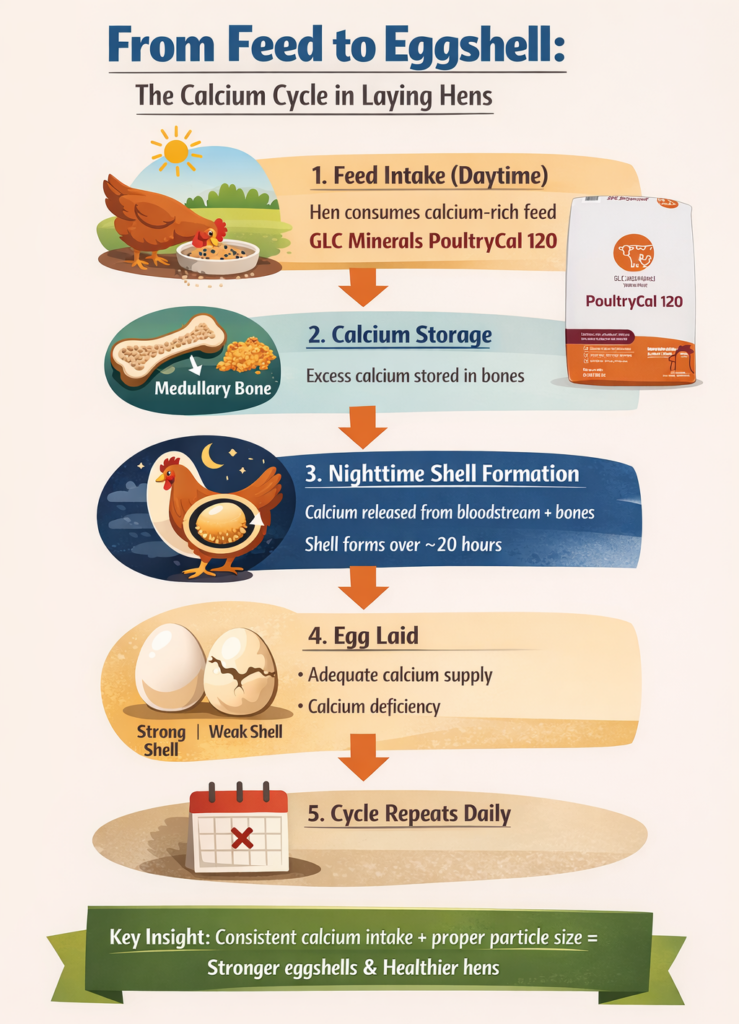
The Calcium Cycle in Laying Hens
1. Feed Intake (Daytime)
Hen consumes a balanced ration with calcium-rich supplements like PoultryCal. Calcium enters the bloodstream from the digestive tract.
2. Calcium Storage
Unused calcium is stored in medullary bone — a specialized reserve for shell building.
3. Nighttime Shell Formation
Most calcification happens in the dark hours. Coarser particles help provide calcium when hens need it most.
4. Egg Laid
A strong shell reflects proper mineral balance. Weak shells can indicate issues with calcium, phosphorus, vitamin D₃, or overall flock health.
5. Cycle Repeats Daily
In a high-producing flock, this cycle happens almost every day.
Key Insight: Consistent calcium intake, the right particle size, and a well‑balanced mineral program are the foundation of strong eggshells and healthy hens.
Better Calcium for Chickens Means Better Poultry Performance
Precision nutrition drives profitability, and calcium for chickens sits at the center of that equation.
With the right calcium strategy, producers can support:
- Stronger, more consistent eggshells
- Healthier, longer-lasting hens
- Fewer production losses
- More efficient feed programs
At GLC Minerals, our focus is delivering reliable calcium solutions for poultry feed — because when calcium performs, everything else follows.