
Corn Silage Nutrient Removal After Fall Harvest: How Did Your Field Perform?
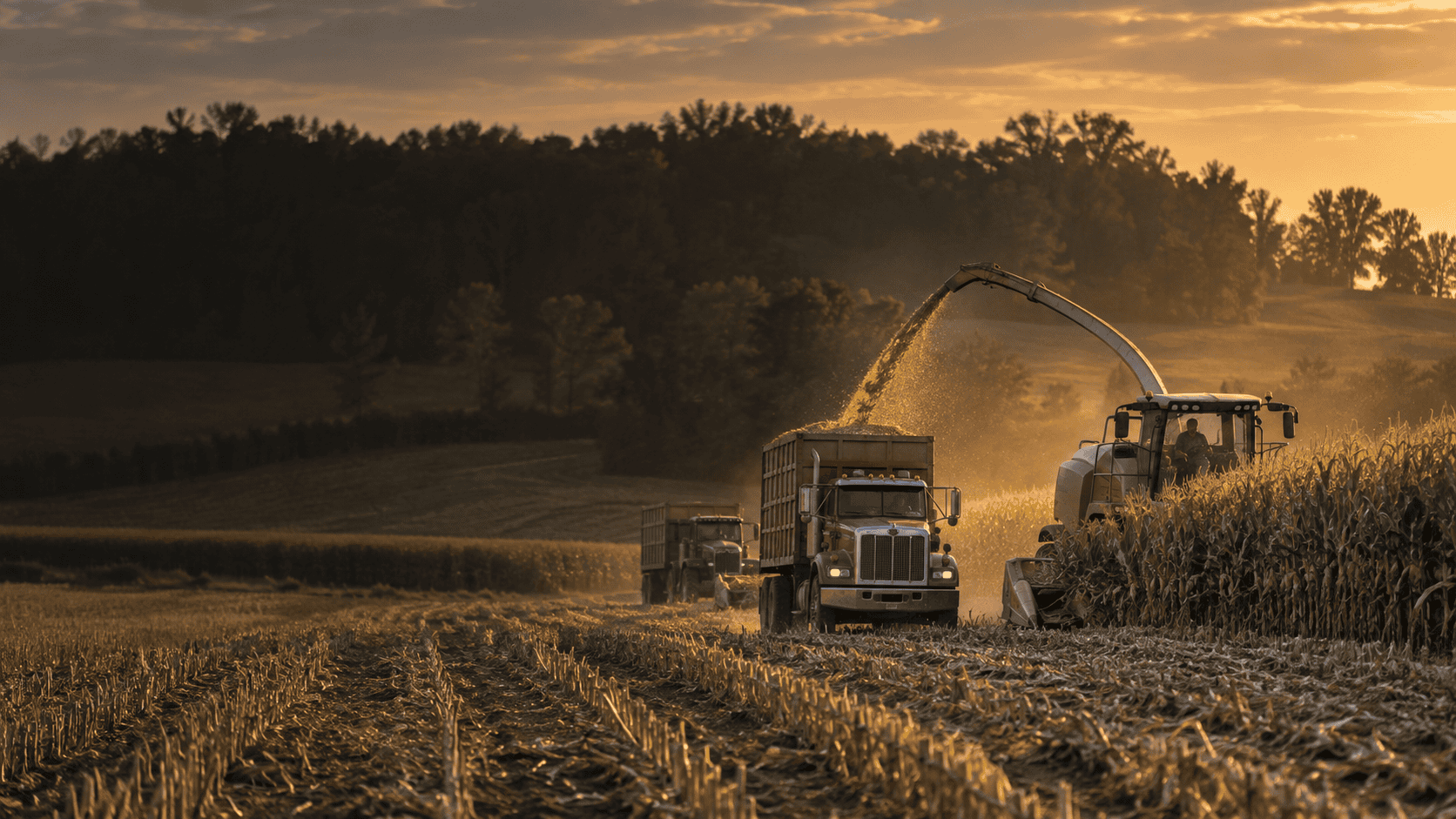
Silage is off. The trucks are done moving, the pile is covered, and for the first time in months, you can actually see the field again.
Before moving on to the next job, there is one question worth asking:
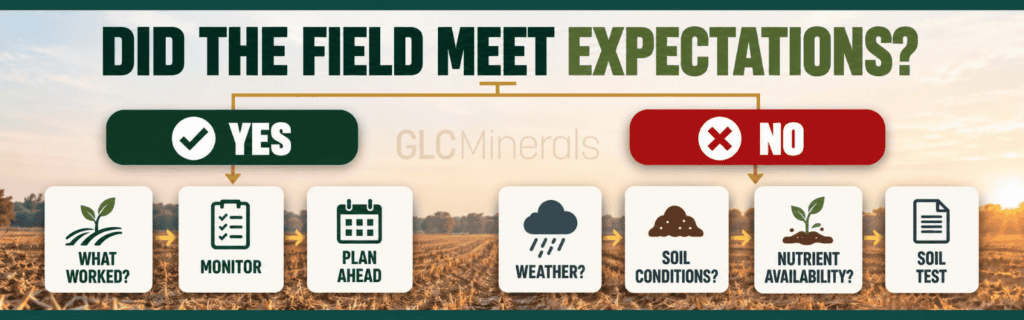
“Did that field perform the way you expected?“
Maybe it did. Maybe weather made the answer pretty obvious. Or maybe certain areas struggled, yield came in lighter than expected, or the crop simply did not respond the way you thought it would.
Weather will always be part of the conversation. Around the Midwest, it usually insists on being part of several conversations. But it may not be the whole story.
Understanding corn silage nutrient removal is important after fall harvest, but what left the field is only part of the picture.
The bigger question is:
“What does this field need before the next growing cycle?“
At GLC Minerals, we think that conversation should start with the soil.

Fall Harvest Is a Checkpoint, Not Just an Endpoint
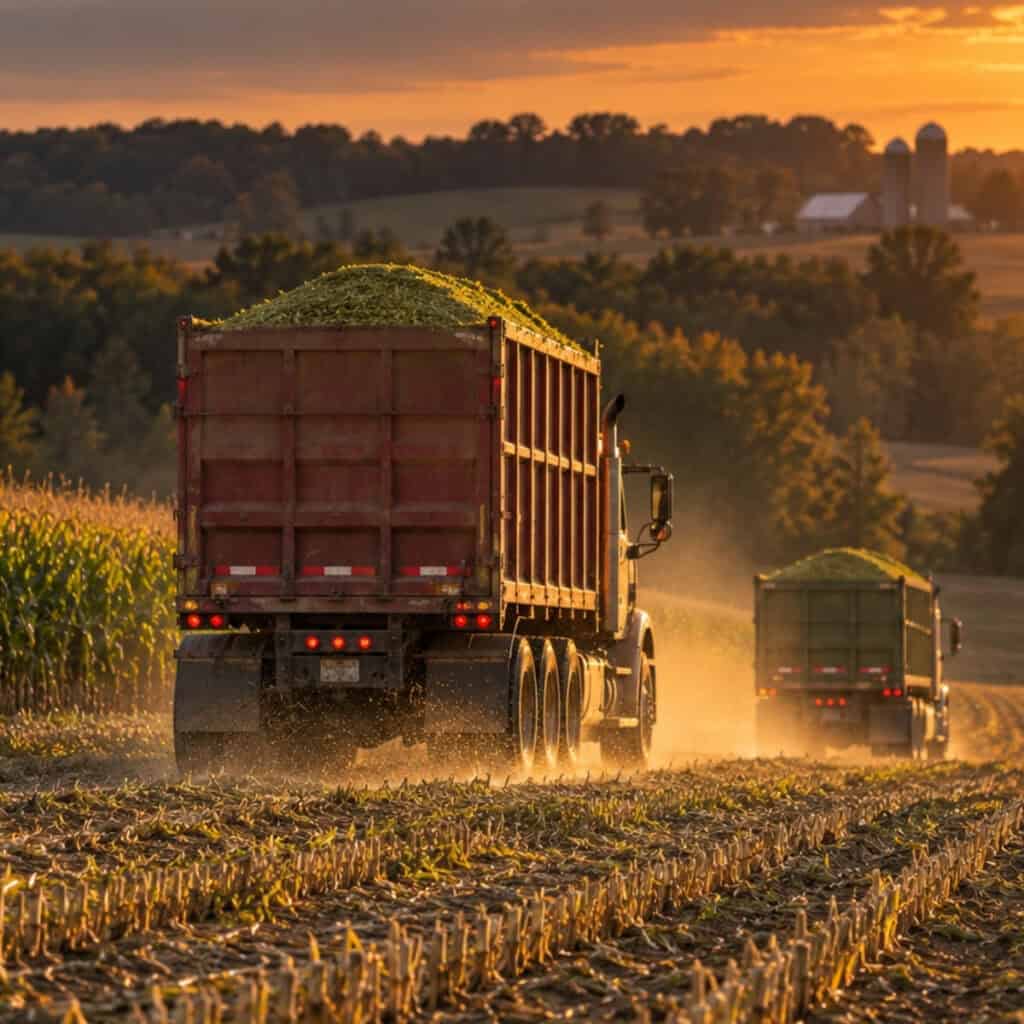
Corn silage harvest is different from grain harvest because nearly the entire above-ground plant leaves the field.
Stalks. Leaves. Grain. Cobs.
They all become feed instead of remaining behind as crop residue.
That means corn silage removes a broad package of nutrients along with the crop. Phosphorus and potassium get plenty of attention, but calcium, magnesium, sulfur and smaller amounts of other essential nutrients are part of that harvested plant material too.
The point is not that every nutrient removed should automatically be replaced pound for pound.
Instead, fall harvest gives growers an opportunity to ask:
- Did the crop meet expectations?
- What nutrients are left in the crop?
- What does the soil test show now?
- Were there areas of the field that struggled?
- What does the next crop need?
- What should be addressed this fall versus next spring?
That is a much better approach to post-silage soil care than simply asking, “What should we spread next?”
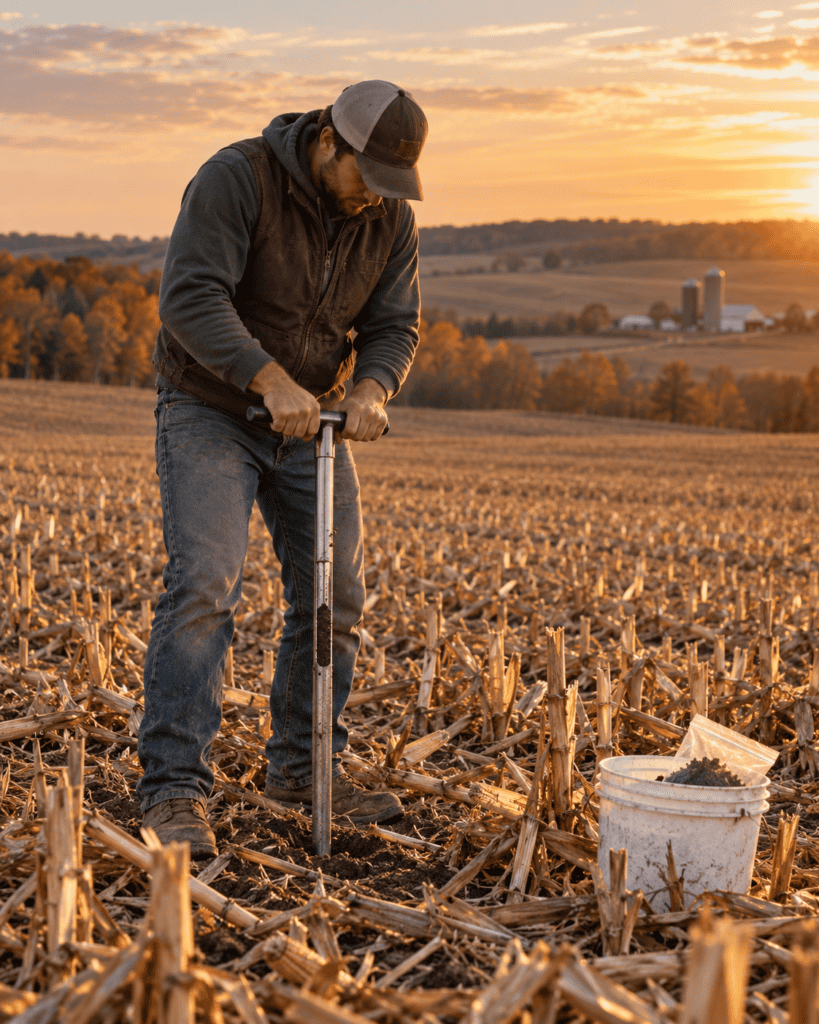
Soil Testing After Corn Silage Should Come First
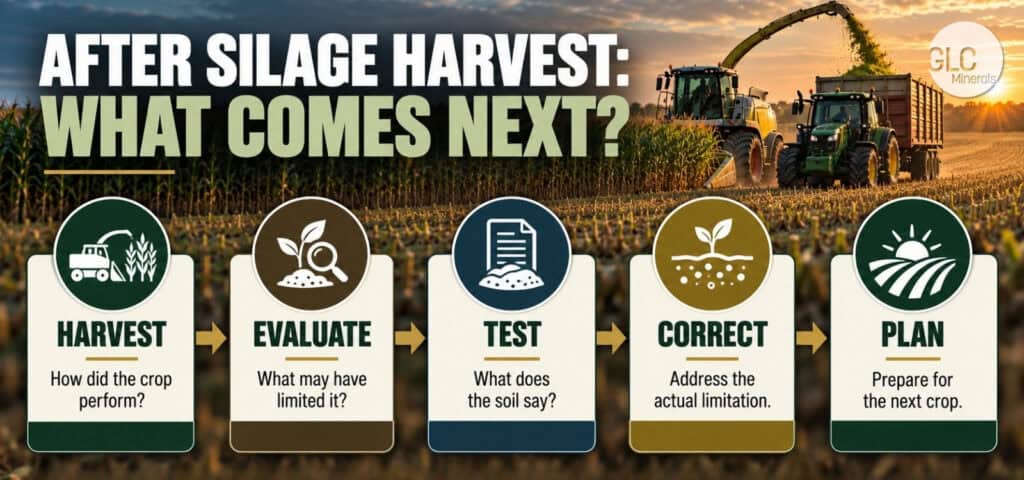
Once fall harvest opens the field, soil testing after corn silage gives growers and agronomists a current look at where that field stands.
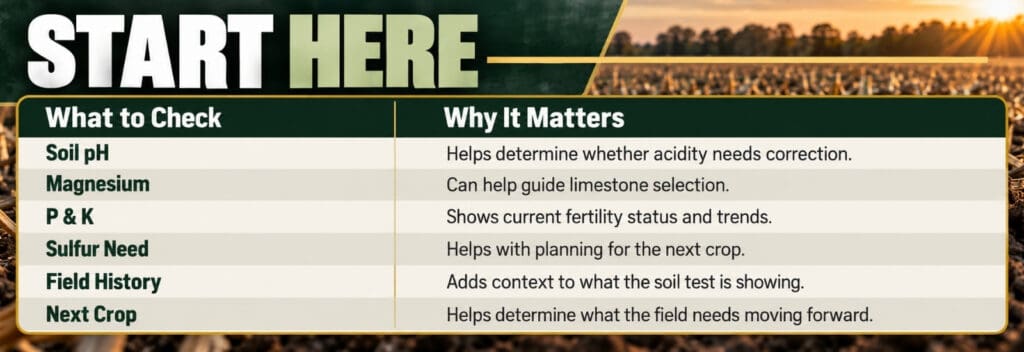
Start with soil pH, then consider the broader fertility picture alongside manure history, previous applications, crop performance and what is coming next in the rotation.
If a field underperformed, ask why before assuming it needs more fertilizer.
- Was weather the main issue?
- Was soil acidity part of the problem?
- Were nutrients present but less available than expected?
- Did the same part of the field struggle again?
An underperforming crop does not automatically mean the answer is a bigger fertilizer bill.
Sometimes the better question is:
“Why didn’t the fertility already in the system produce the response we expected?“
Why Soil pH Deserves an Early Look
Here is one of the most important concepts in soil fertility: Having a nutrient in the soil does not necessarily mean the crop can access it equally well under every condition.
Soil pH influences the environment around plant roots and affects nutrient availability. Think of it like having money in the bank but losing the debit card. The resources are technically there. Access is the problem.
That is why simply adding more fertilizer to an underperforming field may not address the underlying limitation. If soil acidity needs correction, improving the soil environment may deserve attention before adding more fertility.
The period after fall silage harvest is a practical time to evaluate soil pH after silage harvest while fields are open and spring is still months away.
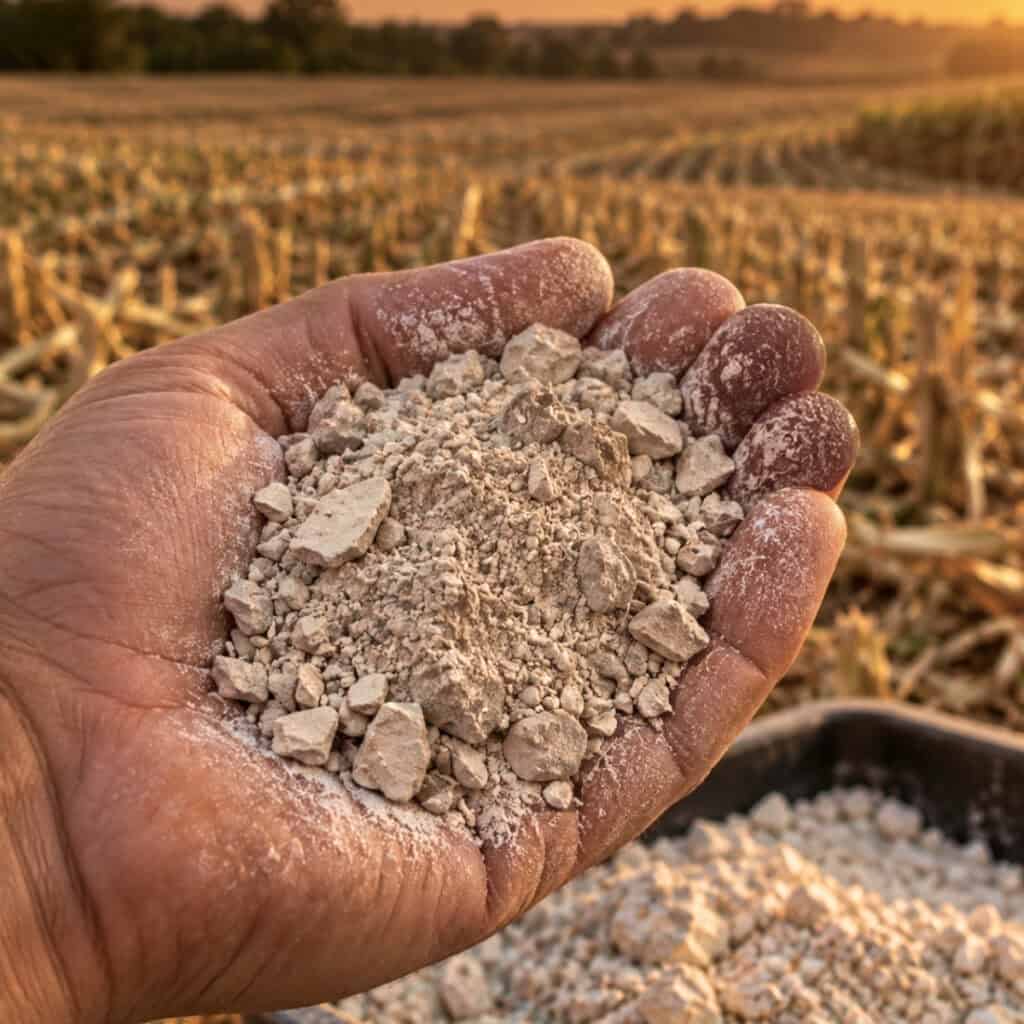
Low pH Does Not Automatically Mean “Just Apply Lime”
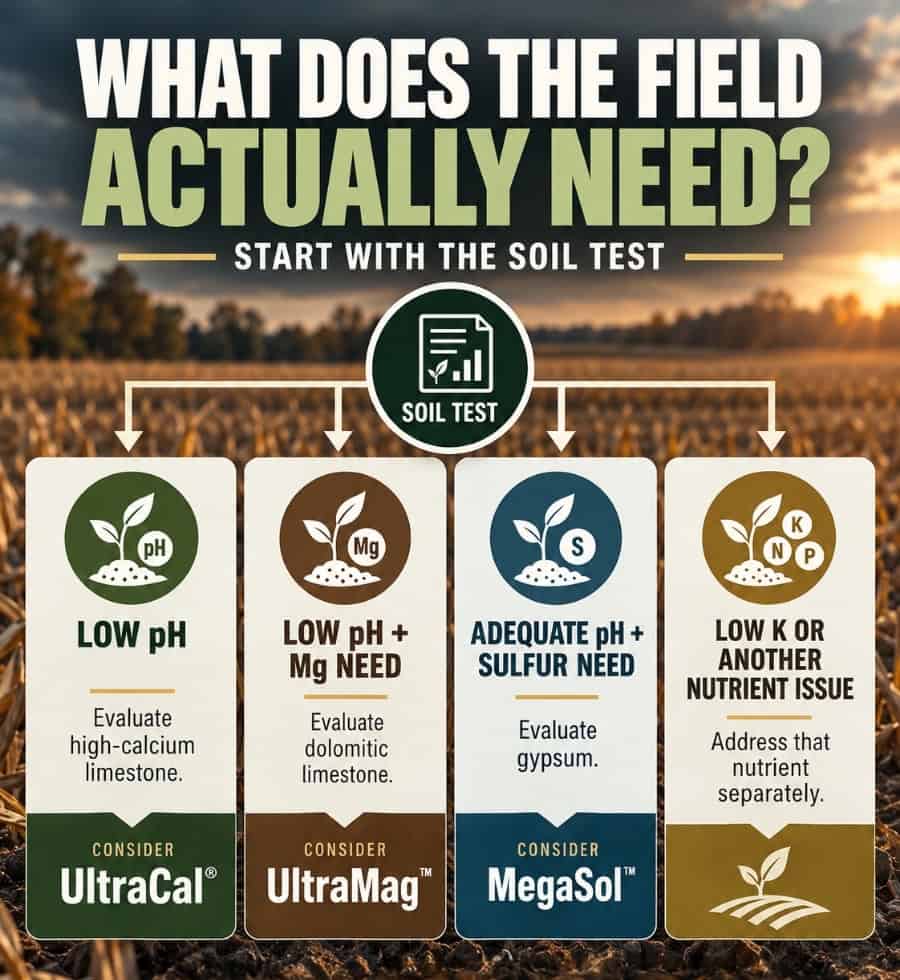
If a soil test shows that acidity needs correction, the next question should be: “Which amendment actually fits this field?“
Not every source of agricultural lime serves exactly the same purpose. The material should match the soil’s needs rather than being selected simply because it is cheapest, closest, or most familiar. That principle applies to conventional and organic production alike.
GLC Minerals offers naturally sourced mineral soil amendments, including OMRI Listed options for organic production, but the agronomic need should always come first.
If pH Is Low
If soil acidity needs correction and additional magnesium is not the objective, UltraCal®, GLC Minerals’ high-calcium limestone, may fit the situation.
If pH Is Low and Magnesium Is Part of the Need
If both acidity and magnesium need attention, UltraMag™, a dolomitic limestone containing calcium and magnesium, may be a better fit.
The important part is the order:
Diagnose first. Choose the amendment second.
GLC Minerals is not trying to make one amendment fit every field. Good agronomy means matching the mineral source to the soil condition.
Corn Silage Nutrient Removal: How Did Your Field Perform?
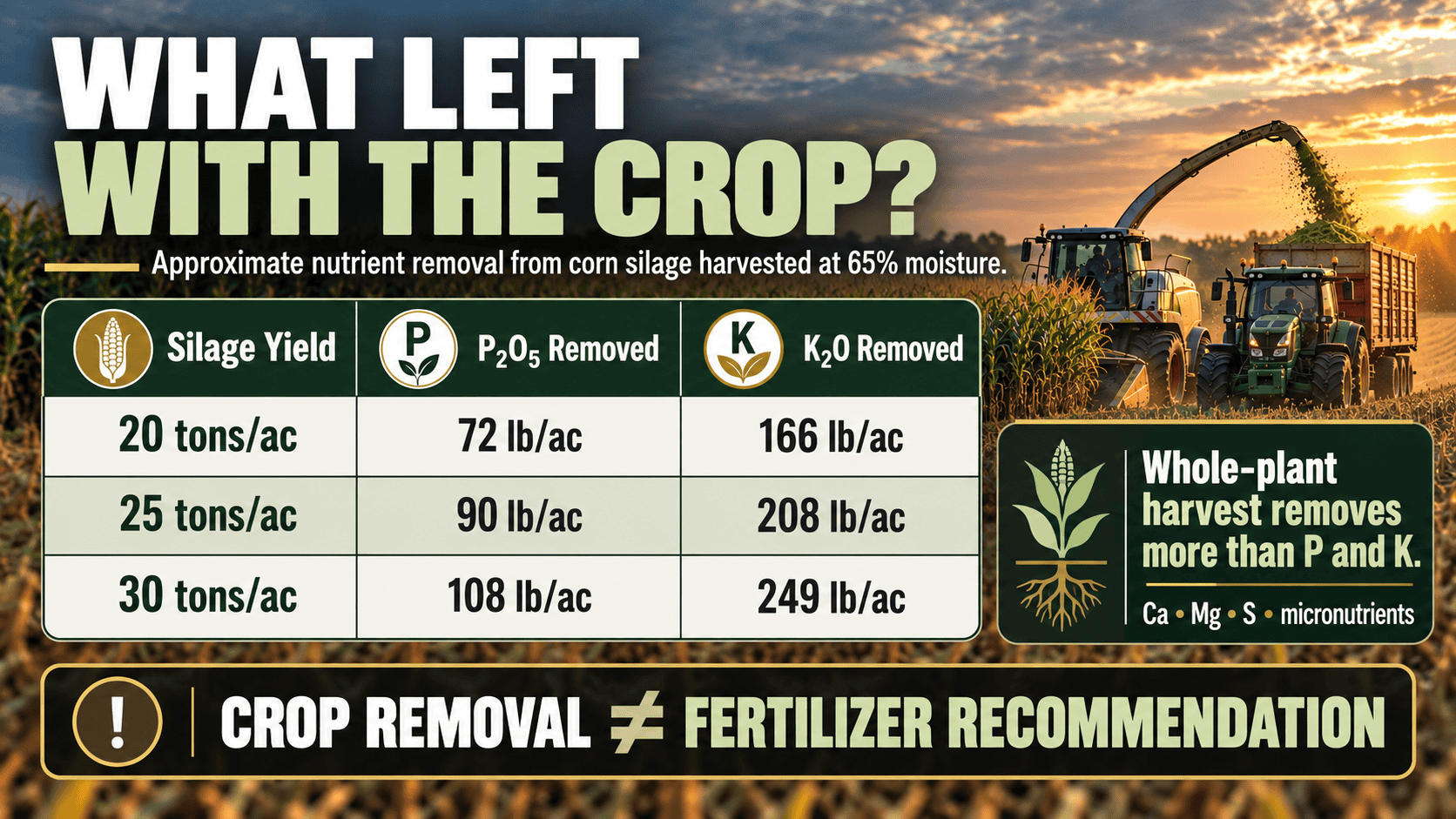
Corn silage nutrient removal still matters. It just should not become the entire story. University of Wisconsin Extension nutrient-management guidelines estimate that corn silage harvested at 65% moisture removes approximately 3.6 pounds of P₂O₅ and 8.3 pounds of K₂O per ton harvested.
At 25 tons per acre, that equals roughly 90 pounds of P₂O₅ and 208 pounds of K₂O per acre leaving with the crop. Those numbers show why silage acres deserve attention, but they are crop-removal estimates, not fertilizer recommendations.
On dairy farms, manure may already be contributing phosphorus, potassium and other nutrients. Other fields may have different soil-test levels, crop histories or fertility programs. That is why the better approach is simple: know what left, know what is already there, then decide what the field actually needs.
Think About Sulfur Before Spring Gets Busy
Sulfur deserves a place in fall fertility planning, but the question should not be:
“Silage came off. Should sulfur go on?“
Ask instead:
“Does this field and the next crop actually need sulfur?”
If sulfur is part of the fertility need but soil pH does not require liming, gypsum for sulfur may be worth evaluating.
MegaSol™, from GLC Minerals, is naturally mined calcium sulfate. It supplies calcium and sulfate sulfur without functioning as agricultural lime for correcting acidic soil.
Just remember: UltraCal®, UltraMag™ and MegaSol™ do not replace potassium.
Good agronomy means knowing what a product can do. It also means knowing what it cannot.
Where Should the Next Fall Fertility Dollar Go?
This may be the most practical question growers can ask after harvest.
For one field, that may be fertilizer. For another, correcting soil acidity may deserve priority. Another field may need sulfur, magnesium, or attention to a completely different limitation. An underperforming silage field should not automatically trigger a larger fertilizer bill. It should trigger better questions.
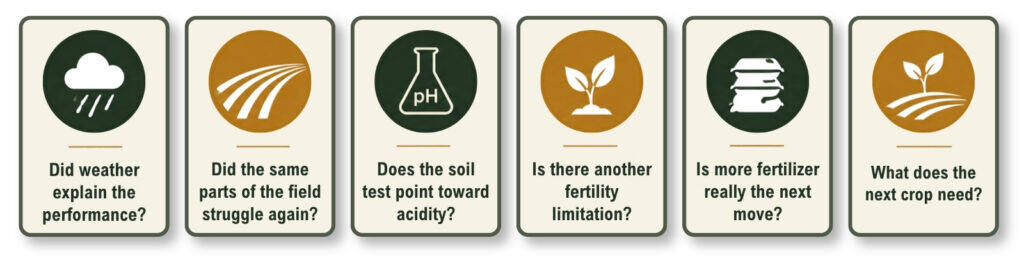
The goal is not to put more on the field. The goal is to understand what the field needs next.
GLC Minerals works with growers, agronomists and crop professionals throughout the Midwest to help interpret soil needs and match calcium, mineral and OMRI Listed soil amendment options to field-specific conditions. When input costs matter, diagnosis matters too.

Whether the next step involves UltraCal® for high-calcium agricultural lime, UltraMag™ where magnesium is part of the amendment decision, MegaSol™ gypsum for sulfur or simply taking a closer look before spending more on fertility, the process starts in the same place:
Review the soil test. Talk with your agronomist. Identify the limitation. Then choose the amendment that fits.
Frequently Asked Questions About Corn Silage Nutrient Removal
Silage harvest removes most of the above-ground plant and creates an opportunity to evaluate the field before the next crop. Testing can help identify pH and fertility concerns while there is still time to plan fall amendments and next season’s fertility program.
OMRI Listed products have been reviewed by the Organic Materials Review Institute for use under applicable organic-production standards. Growers managing organic acres should still match the amendment to the soil need and follow the requirements of their organic certification program.
No. Corn silage nutrient removal estimates what leaves with the harvested crop. A fertilizer recommendation also considers soil-test levels, manure credits, field history, crop rotation and the needs of the next crop.
Agricultural limestone is used when soil acidity needs correction. Gypsum supplies calcium and sulfate sulfur but is not a liming material used to raise soil pH.
No. Fall harvest creates an opportunity to evaluate the field, not an automatic reason to apply something. Test first. Then determine what the field actually needs.